
How a Roof Insurance Claim Works in Texas: A Step-by-Step Guide
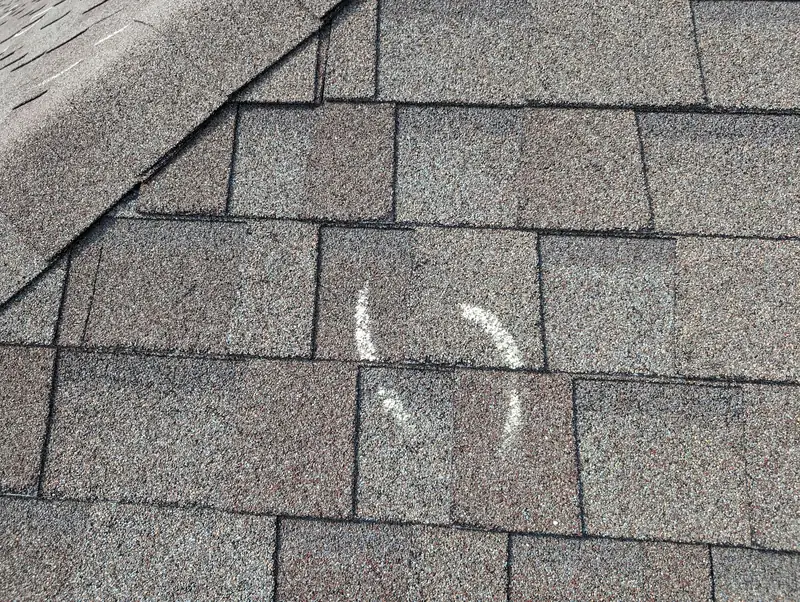
If hail or wind damaged your roof, the insurance process can feel confusing. Here is how a typical roof claim works in Texas, and what to watch for at each step. (Every policy is different—read yours or ask your agent about specifics.)
Step 1: Get an inspection
Before you file, many homeowners have a reputable local roofer inspect the roof and document any damage with photos. If there is no real damage, you avoid opening a claim you do not need.
Step 2: File the claim
Call your insurance company or file online. You will need the approximate date of the storm. Many Texas policies limit how long you have to file—often one year from the date of loss—so do not put it off.
Step 3: The adjuster inspection
Your insurer sends an adjuster to inspect the roof. It helps to have your roofer there too, so every damaged area, vent and flashing detail gets seen and recorded.
Step 4: Review the estimate
Insurers commonly write estimates in software such as Xactimate. Review it carefully. Items like drip edge, starter shingles, ridge caps, pipe boots, ventilation and code-required upgrades are sometimes left off. Your roofer can point out missing items; you or your contractor can then send documentation to your insurer for review.
Step 5: Understand depreciation
Many policies pay in two parts. The first check is the actual cash value (replacement cost minus depreciation and your deductible). On a replacement-cost policy, the withheld depreciation is usually released after the work is completed and the invoice is submitted. Some policies, especially for older roofs, pay actual cash value only. Check which one you have.
Step 6: The work and final payment
Once the roof is installed, your contractor provides a final invoice and photos. You send them to your insurer to release any recoverable depreciation, then pay the contractor.
Texas laws that protect you
- No deductible waivers. Under Texas Insurance Code Chapter 707, a contractor cannot waive, absorb or rebate your deductible. You are responsible for paying it.
- Your roofer is not your adjuster. Texas law prohibits contractors from acting as a public adjuster or negotiating your claim on your behalf. A roofer can document damage and discuss the scope of work.
- Get it in writing. Insist on a written contract that shows the scope, price and payment terms before work begins.
The Texas Department of Insurance publishes a helpful consumer guide, Roofing and insurance: Know the law.
Questions about your claim? Contact A-Roof for a free inspection.